ABOUT AEROSOLS
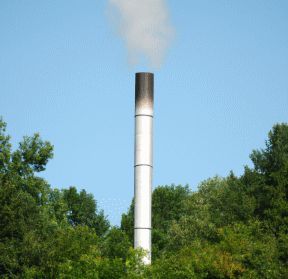
Aerosols are tiny particles that are suspended in the air. They can be made up of a variety of substances, such as water, salt, dust, and chemicals. Aerosols can be found in many different forms, including smoke, haze, and mist. Aerosols can be naturally occurring, such as dust and sea spray, or they can be man-made, such as pollution from cars and factories. Some aerosols, such as volcanic ash, can travel long distances and have a significant impact on the Earth's climate. In the atmosphere, aerosols can scatter and absorb sunlight, which can affect the amount of solar radiation that reaches the Earth's surface. This, in turn, can affect the Earth's temperature and climate. Aerosols can also be inhaled into the respiratory system, where they can cause a variety of health problems, such as asthma and allergies. It is important to reduce the amount of man-made aerosols that are released into the atmosphere in order to protect the environment and human health.